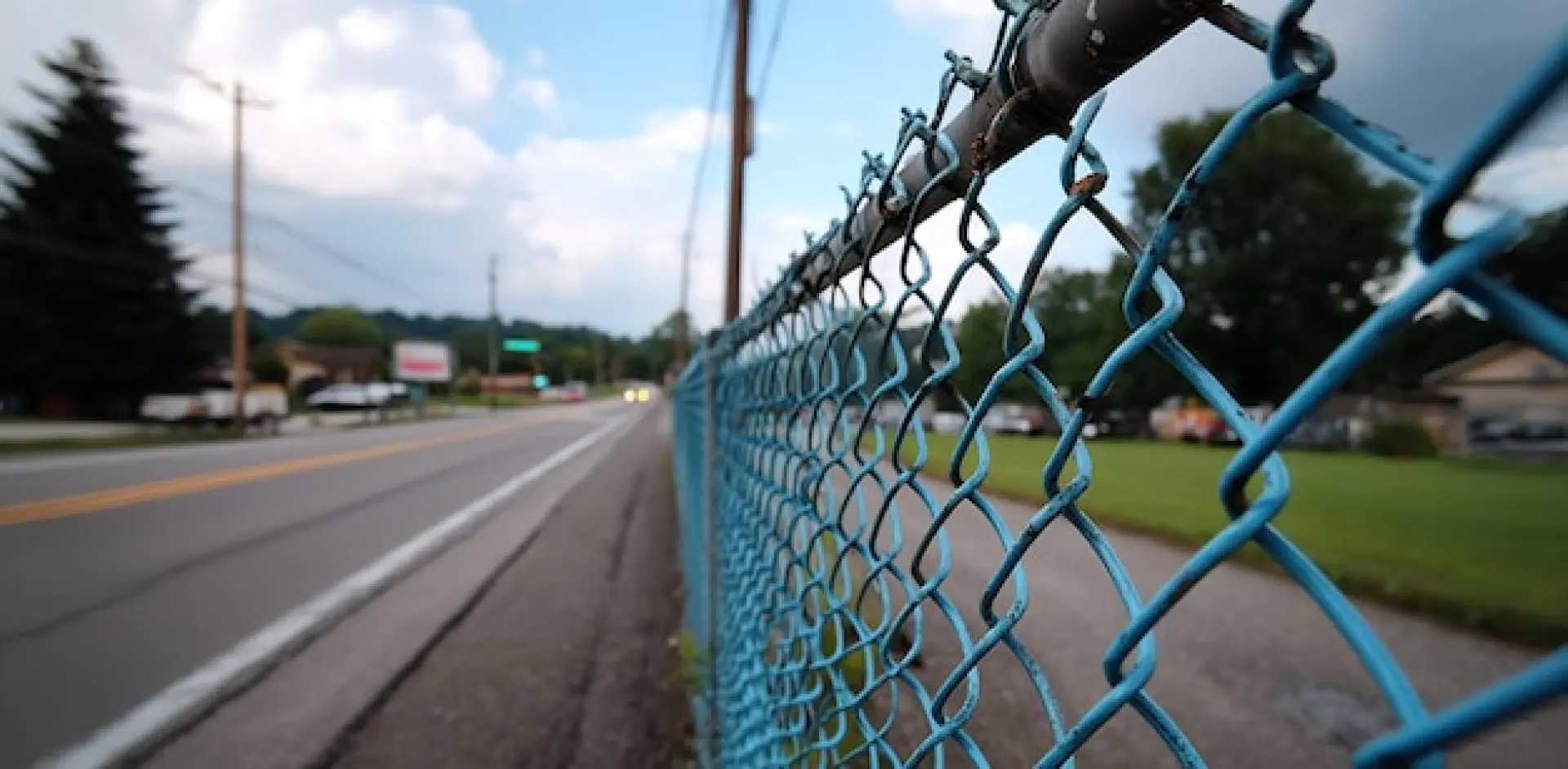
Fence maintenance helps keep your site secure by preventing damage, reducing intruder access, and ensuring safety. Find out about the importance of regular checks and repairs
Why fence maintenance is part of site security
A fence is not just a boundary. It is a barrier that guides people to safe access points and keeps others out. Regular maintenance makes sure the fence still does that job every day. Loose panels, leaning posts, rust, and gaps at ground level can turn a strong perimeter into an easy entry point.
When you repair damage early, you stop small issues becoming larger repairs. You also show that the site is managed and watched, which can put off intruders. A well kept fence supports gates, locks, alarms, and cameras by controlling where people can walk and where they cannot. It also helps meet safety duties and can reduce insurance issues after incidents because records show regular checks too.
How poor fencing creates weak points
Poor fencing often fails in quiet, simple ways. A small gap under a panel can become a regular route once people notice it. Rotten timber, cracked concrete around posts, or missing fixings can let whole sections move with a push. When a fence flexes, it is easier to climb, because hands and feet can grip edges that should be firm. Chain link with broken ties can be peeled back. Palisade with bent spikes can be stepped on. Even minor damage can create a weak point that draws more damage, as each attempt makes the opening wider.
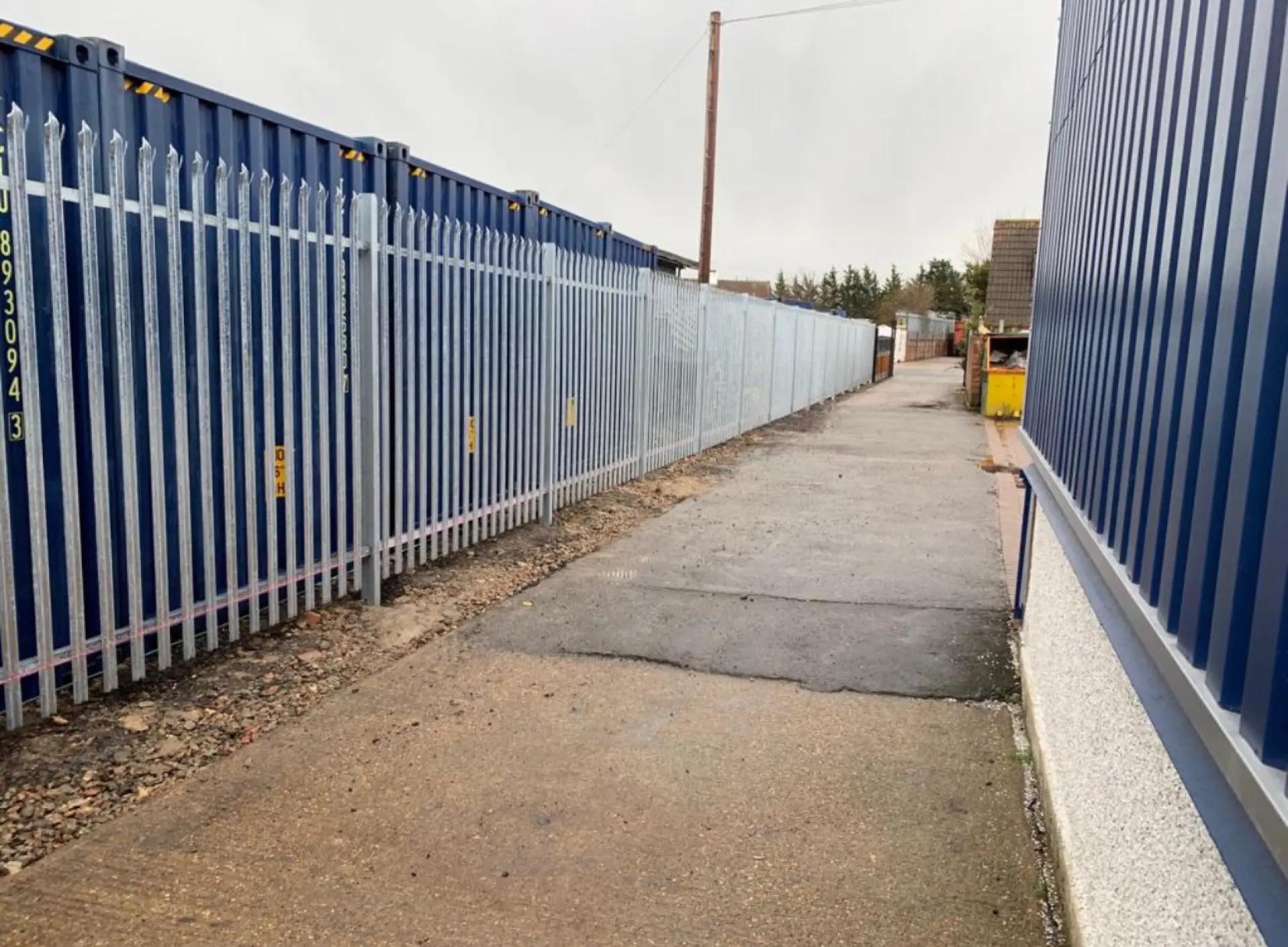
Weak points also appear near gates. A gate that sags may not close fully, leaving a latch easy to force. Hinges without lubrication can seize and crack, and bolts can loosen over time.
If the ground has sunk, a gap can open at the bottom, letting tools or small items pass through. On busy sites, vehicle bumps and wind loads can shift lines and strain joints, especially at corners and end posts.
Poor fencing can also harm the wider security plan. Cameras may be aimed at the wrong places if the fence line changes. Lighting can miss a new gap. If staff see damage and assume nothing will be done, reporting drops.
Regular repairs, clear reporting, and quick fixes remove these weak points and restore a solid, predictable perimeter. That matters because intruders look for the quickest win and one weak section can bypass signage, locks, and careful access control in minutes without noise.
Keeping fence lines hard to climb
Climb resistance starts with the surface. Replace broken boards, loose rails, and damaged mesh that create footholds. Keep post tops, spikes, and capping strips straight and secure, so there are no safe places to grip. For close board fencing, check that all boards overlap as intended and that gravel boards are firm at the base.
For mesh fencing, tighten sagging runs and repair any cut wires straight away. Remove stacked materials, bins, pallets, and parked plant near the fence, as these act like steps. At corners and near gates, add extra bracing and fixings, because these areas take the most strain. Good maintenance makes climbing slower, louder, and riskier. If you can, use anti climb signs where allowed and suitable.
Perimeter checks: spotting signs of tampering and trespass
Perimeter checks work best when they are routine and recorded. Walk the full fence line and look at it from both sides where possible. Start at the main gate, then follow the boundary in the same direction each time so nothing is missed.
Check posts for movement, panels for cracks, and fixings for missing screws, bolts, or clips. Look closely at the ground: fresh footprints, dragged soil, or new ruts can show a recent approach. On mesh and wire fencing, search for cut strands, twisted sections, or ties that have been removed and refitted.
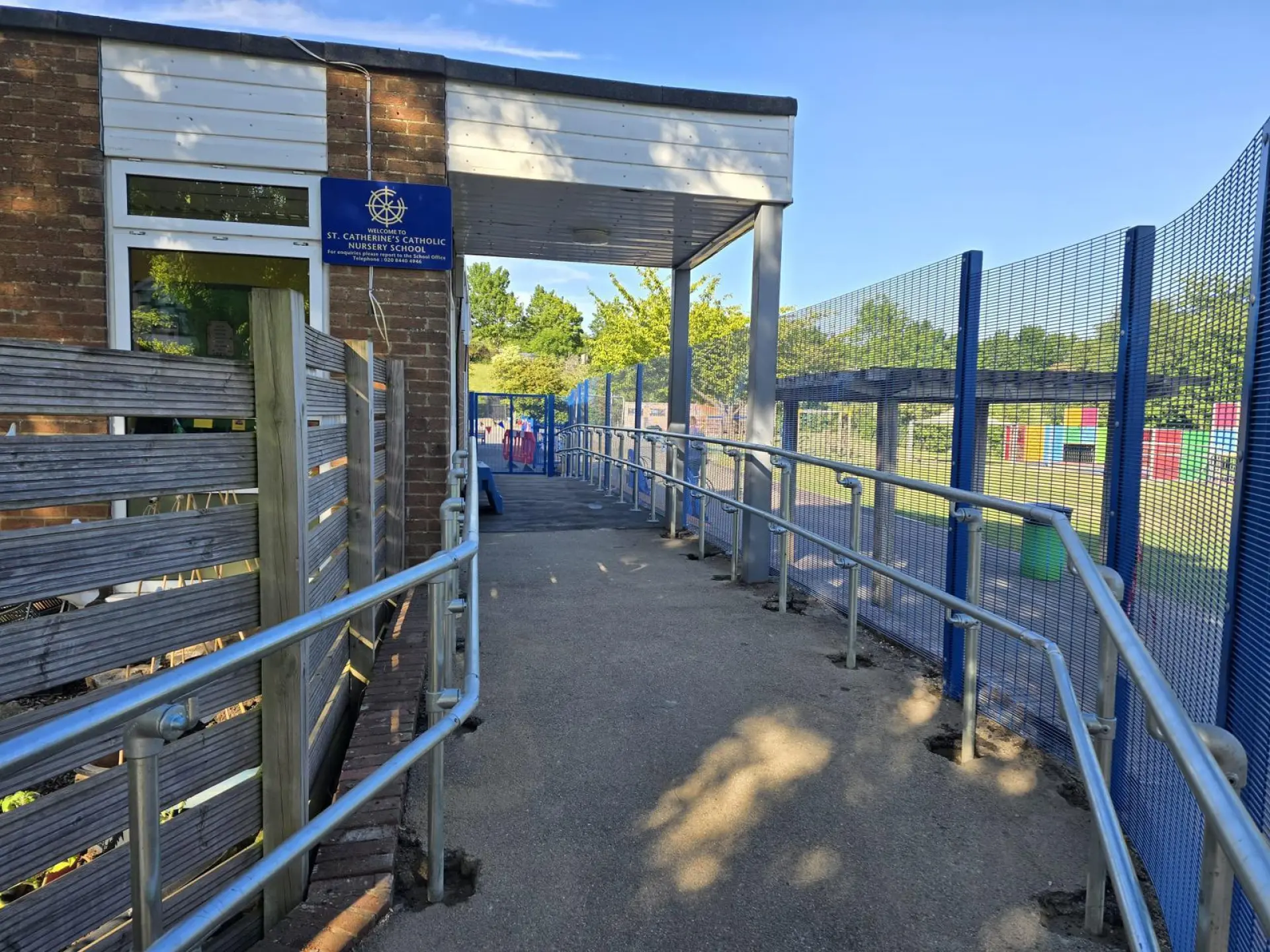
Pay extra attention to corners, joins, and changes in height. These points are easier to lever apart and are common places for damage. At gates, test the hinge side and the latch side.
Make sure locks line up, closing is smooth, and the gate cannot be lifted off its hinges. If you use padlocks, check for tool marks, bent hasps, or grit in the keyway. Also check signage. Missing warning signs can suggest tampering and can remove a useful deterrent.
When you find an issue, take clear photos, mark the location, and fix it quickly. If you see repeated damage in one place, consider adding a second barrier, a camera view, or better lighting.
Small signs, found early, often prevent a larger break in. Talk to staff and neighbours too, as they may have seen people testing the boundary. Keep a simple checklist and date it, so trends are easy to spot across weeks and seasons.
Clear lines of sight: lighting, blind spots, and overgrown vegetation
A secure fence line should be easy to see, especially at night. Good lighting helps cameras and staff notice movement, and it makes intruders feel exposed. Walk the perimeter after dark and look for shadowed corners, dark gate areas, and places where lights are blocked. Trim hedges, ivy, and brambles that cover panels or hide holes.
Overgrown plants can also weaken timber and hold moisture against metal. Keep grass and weeds low along the base, so cuts and digging are easier to spot. Avoid storing materials against the fence, because they create blind spots and climbing aids. Clear sight lines make checks faster and make the whole site feel watched. If lighting fails, replace bulbs quickly and clean dirty covers.
From routine inspections and minor repairs to full panel replacements and high-security upgrades, our commercial fencing maintenance keeps every perimeter safe, compliant and looking its best. Contact us today for commercial fencing maintenance in Romford, Brentwood and Essex.
Related Articles
How Often Should You Inspect Commercial Fencing